Climate Projects

Develop carbon projects

GFP Group designs, develops and certifies projects that generate high-quality carbon credits, from feasibility studies to long-term monitoring.

End-to-end developmentFrom idea to credit

Our role

We develop projects that generate carbon credits

Green Future Project Group doesn't just select credits on the market: we are project developers ourselves. We design, certify and manage our own projects from start to finish, and we put that same experience at the disposal of companies who want to develop a project of their own.

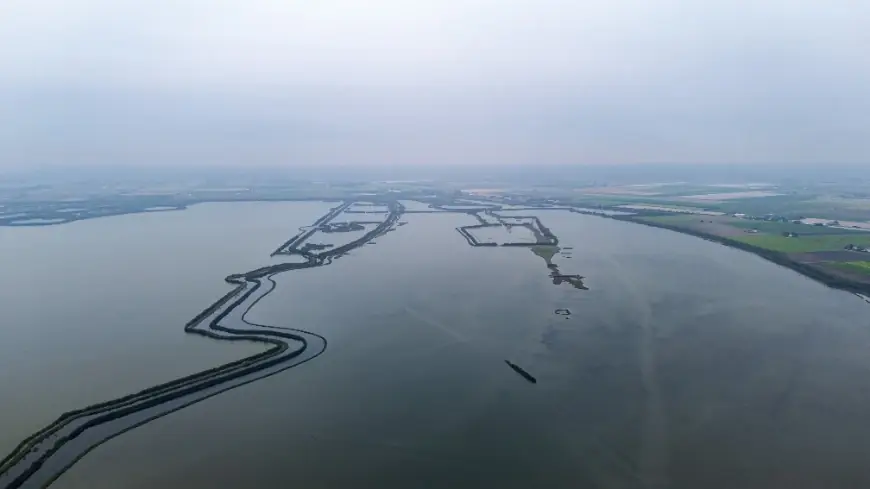
We develop our own proprietary carbon projects

We are the first developers of our projects: we design them, take them through certification and manage them over time. Companies can purchase directly the credits generated by the projects we have developed, with full traceability from the site to the issuance of the credit.
We support companies that want to develop their own project

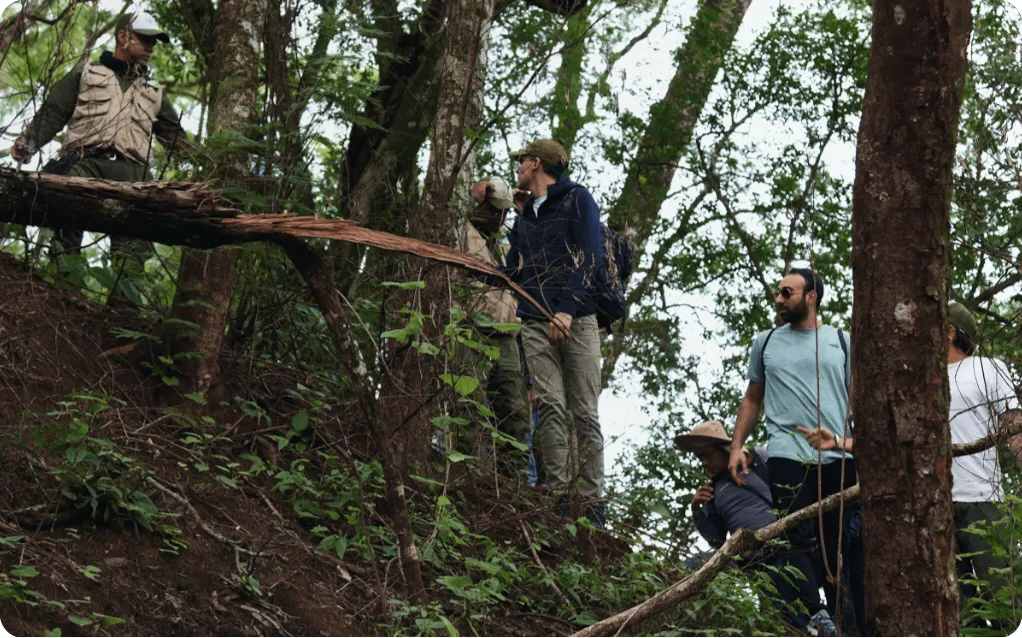
If a company has land, an idea or the ambition to generate its own carbon credits, we support it at every stage: from the feasibility study to certification, through to long-term management.

How we work

We support you through every stage of the journey

Developing a carbon project takes years, multidisciplinary expertise and the ability to manage different risks at every stage. GFP Group accompanies every project from the initial idea through to long-term monitoring.

Phase 1

Feasibility study and design

Not every project opportunity reaches completion, and those that do can take years before showing the first concrete results.

What we do

  • Environmental and social feasibility assessment of the project area
  • Verification of property titles, project pre-assessment and evaluation of the environmental additionality of the intervention area
  • Financial structuring for upfront costs
  • Implementation capex estimate
  • Mapping of carbon sinks and reservoirs
  • Climate risk analysis
  • Engagement of local stakeholders

Phase 2

Validation and verification

The project undergoes independent verification against internationally recognised protocols and standards.

What we monitor

  • Volume risk: actual credits may turn out to be lower than estimated
  • Price risk
  • Risk of approval by the standard
  • Risk of reversal beyond the insurance buffer

Phase 3

Project operations

The project moves into operational management, with reporting and subsequent verifications on a variable schedule, from annual to every 5 years.

What we manage

  • Monitoring of carbon sinks and reservoirs in the project area
  • Planning of management and maintenance activities for the project area
  • Operating budget and verification costs
  • Long-term engagement of local stakeholders
  • Reversal risks
  • Regulatory changes to carbon rights

Phase 4

Long-term management

We don't just develop projects: we safeguard their success for decades, maximising environmental and social benefits over time.

What we ensure

  • Continuous on-the-ground monitoring
  • Transparent, verifiable reporting
  • Management of subsequent validations and verifications by the registry
  • Expansion of co-benefits beyond carbon: biodiversity, water security, local economies

Real-world cases

Some of the projects we have developed

From reforestation to forest conservation, from regenerative agriculture to solutions for local communities: here is a selection of the projects GFP Group has developed directly.

Italy

Valle Noghera wetland

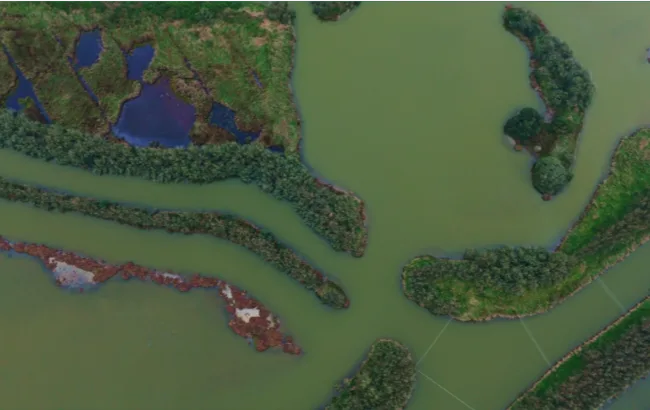
Conservation and restoration project for a wetland area on Isola di Morgo, in Grado, Friuli-Venezia Giulia, aimed at protecting an ecosystem that is key for CO₂e sequestration and the protection of local biodiversity.

ConservationISO 14064-2:2019
Request information →

Italy

Valle A.M.A wetland

Project spanning 298 hectares of lagoons, channels and natural ridges on Isola di Morgo, in the Grado area, falling within a wetland of international importance recognised under the Ramsar Convention.

ConservationISO 14064-2:2019
Request information →

Brazil

Fazenda Boa Vista

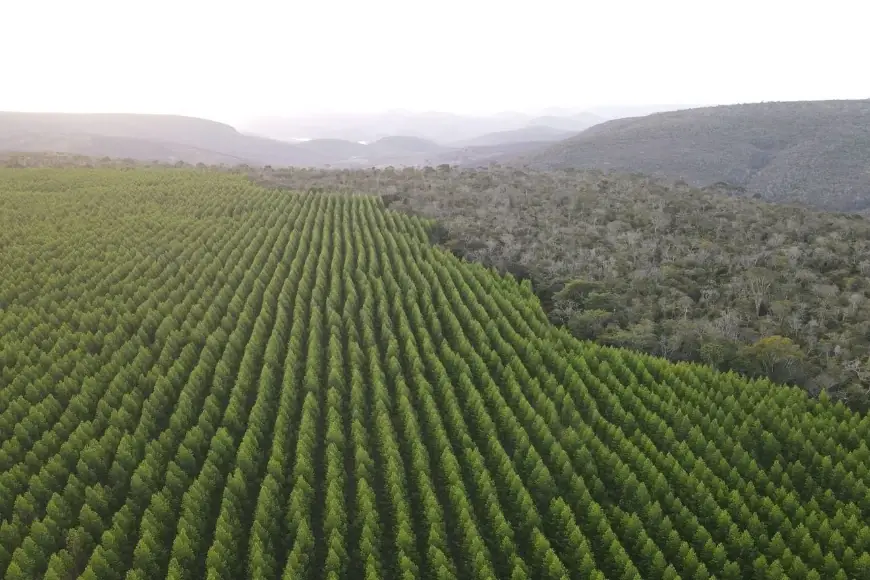
Reforestation project (ARR) aimed at restoring 293 hectares of degraded land through the planting of high-performance tree species.

RegenerationVerified Carbon Standard
Request information →

Argentina

Urundel forest

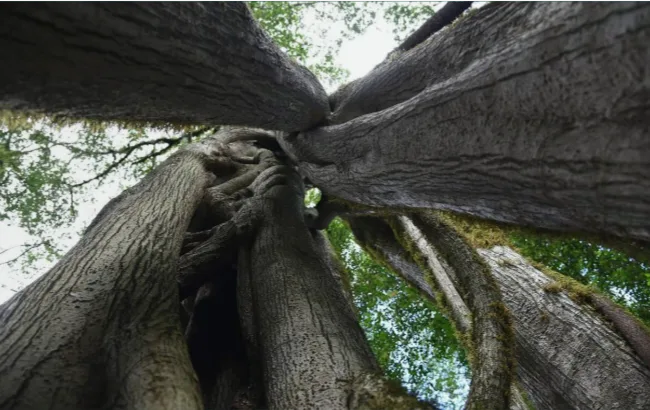
REDD+ project for the conservation of native forest, protecting biodiversity and supporting the communities that depend on this ecosystem.

ConservationREDD+
Request information →

FAQ

Frequently asked questions

Answers to the most common questions about developing certified carbon projects.

Green Future Project Group develops carbon projects for public bodies, private companies, landowners, farming businesses, consortia, foundations and managers of natural areas who have land suitable for conservation, ecosystem restoration, carbon farming, reforestation or afforestation initiatives. Our team supports partners through every stage of the project, from the preliminary feasibility check to certification and the commercialisation of carbon credits. We develop Blue Carbon, Afforestation, Reforestation and Revegetation (ARR), REDD+ and Carbon Farming projects, verifying from the outset the technical, economic and regulatory feasibility of the initiative, as well as compliance with the requirements of international certification standards.
Developing a carbon project generally takes between 2 and 4 years before the first issuance of carbon credits. Timelines depend on the type of project, the availability of initial data, activities already carried out on the ground and the certification standard adopted. During this period, the design, validation, implementation and verification activities needed to obtain certification are carried out.
Green Future Project Group develops projects according to the leading international standards of the voluntary carbon market, including Verra (VCS), the International Carbon Registry (ICR) and other standards recognised for their high environmental integrity. Using international standards ensures that carbon credits are verified by independent bodies, recognised globally and usable by companies as part of their own climate strategies, including those aligned with the Science Based Targets initiative (SBTi) and ISO 14068.
Additionality demonstrates that a project generates climate benefits that would not have occurred without the funding provided by carbon credits. To obtain certification, it must be shown that the planned interventions are not standard land management practice and that they would be economically or technically difficult to carry out without the carbon project. The criteria used to verify additionality depend on the methodology and certification standard applied.
If the project fails independent verification, carbon credits cannot be issued. To reduce this risk, Green Future Project Group carries out an in-depth feasibility analysis before starting the certification process. This phase makes it possible to identify any technical, regulatory or design issues and forms the basis of the documentation needed to develop the project.
The main buyers of carbon credits are companies that use them to support their own climate and decarbonisation goals on the voluntary carbon market. Interest is also growing among public institutions, governments and new regulated mechanisms, which may use high-quality credits as part of their own climate and transition policies.
No. The carbon projects developed by Green Future Project Group also produce measurable environmental and social benefits. Depending on the type of project, they can contribute to biodiversity restoration, the protection of water resources, improved soil quality, increased ecosystem resilience, the return of wildlife and the socioeconomic development of local communities. Many of these impacts can be measured and certified through standards dedicated to co-benefits.

Certification is not the end of the project, but the start of its operational phase. Throughout the entire crediting period, the project area must be continuously monitored, data collected, results verified and periodically submitted to independent audits, so that new carbon credits can be issued.

The project's duration varies depending on the methodology adopted: some Afforestation, Reforestation and Revegetation (ARR) projects can have crediting periods of up to 100 years, while other Nature-based Solutions projects may run in cycles of 15, 20 or 30 years.

There is no minimum area that applies to every carbon project. Feasibility depends on several factors, including the type of ecosystem, the planned interventions, the potential for removing or reducing emissions, development and certification costs, and the international standard adopted. That is why Green Future Project Group carries out a preliminary feasibility assessment, in which we analyse the characteristics of the area, land titles, the additionality of the project and its potential to generate carbon credits. Only after this analysis can we determine whether the project meets the technical, economic and environmental requirements to be developed and certified.

Let's talk

Book a free introductory call

Tell us about your company and your sustainability goals: one of our ESG experts will get back to you to identify the best starting point, with no commitment.

  • A 30-minute call with an expert, no commitment
  • We get back to you within 24 working hours
  • A first concrete direction for your ESG goals
This field is required.
Please enter a valid email.
This field is required.

No spam. Your data is processed in accordance with the GDPR.

Thank you, we will be in touch

We have received your request. An ESG expert from Green Future Project Group will contact you within 24 working hours.